

bring the wild to your garden


pond wildlife directory
Seen somthing wild in your pond or garden? Find out more about it here!
Amphibians

Appearing in ponds from January, looking for a mate. Often return to the pond they hatched from. Log piles are great cover too for frogs seek shelter under during the autumn, and hunker down for the winter. Can go into brumation, where they appear very slow moving and dozy.
Photo Credit: WildWater

Frogspawn appears from late Jan, Feb/Mar typically. Clump formed jelly like spawn laid in shallow margin areas. Develops and hatches quicker if in warm sun. Be aware of predators such as large birds (herons, crows, etc), cover with suspended net if at all possible. Spawn develops into tadpoles through spring and they'll grow and develop limbs etc before emerging as froglets in summer time. Good time to let the pond surroundings get a little longer for protection against predators and shelter from the summer heat. Be aware when running the mower at this time. Log piles are great cover too.
Photo Credit: WildWater

May appear in ponds around Feb time hunting and looking for a mate. The males perform a delightful courtship dance to a female in a bid to impress them. Eggs are individually laid and folded into leaves of plants such as Brooklime and Waterforgetmenot, amongst others. Baby newts (called efts) will emerge in the spring, spending months in the water whilst they develop. They have frilly external gills until they leave the water, where these are then grown out of. Can be seen hunting small insects or other tadpoles during the Spring/Summer months. May be found in the winter buried underneath slabs, bricks, logs etc.
Photo Credit: WildWater

Much larger and darker than the above, but following similar behaviours. If a pond is well populated with these it is advised to not complete any major works until the winter months when they are likely away from the pond. They are a protected species, seek advice if in doubt. A fascinating amphib that moves in a cool, calm and prehistoric way.
Photo Credit: Dirk Ercken

Toads are much more evasive than the other amphibians, quite often people only know they have them when they spot the unmistakable spawn in their pond. They are drier and wartier looking, usually with a more pale brown/olive colouration. Typically we see them hiding away somewhere close to the pond rather than in it.
Photo Credit: WildWater

Toads lay strings of individual eggs, which are wrapped around plants in a random and chaotic fashion any time from late Feb.
Photo Credit: Nick Butcher via iNaturalist, licenced under CC BY 4.0
Invertebrates
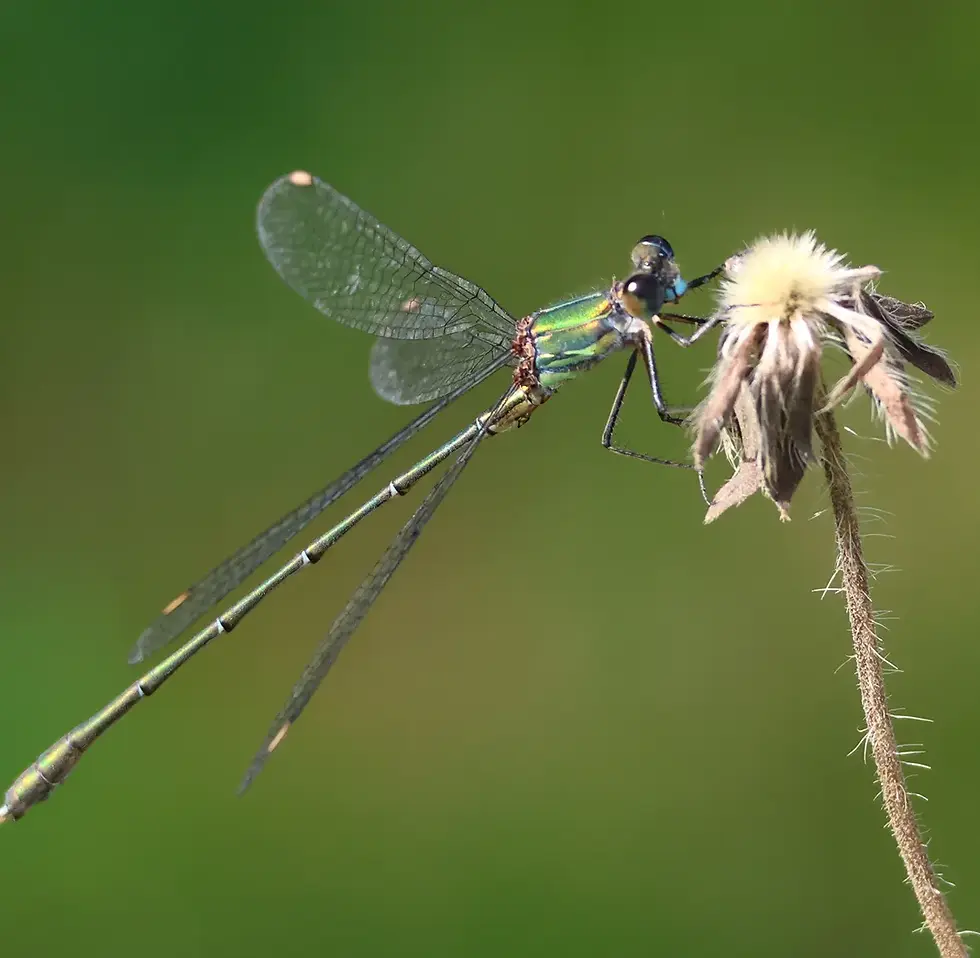
Red damselfly typically the first ones out around May time and a sure sign that summer is on its way. Blues, emeralds, you name it. True flying gems.
Seen joint together when spawning, laying eggs in the suface layer of water usually on some submerged planting.
Not to be confused with dragonflies, note difference in wings etc.
Photo Credit: WildWater

Photo Credit: Joss Carr via iNaturalist, licenced under CC BY 4.0

One of Harry's faves. Red, Hawker, Emperor. A really incredible buzz when they zoom by. Some ridiculous fact out there of the speed they can fly. Catch and eat insects on the wing. Great devourer of midges.
Similar spawning behavious to Damsels.
Again note the difference in wings structure
Image showing emperor dragonfly.
Photo Credit: WildWater

Photo Credit: Tammy Winter via iNaturalist, licenced under CC BY 4.0

Photo Credit: Roy Lowry via iNaturalist, licenced under CC BY 4.0

Photo Credit: Sean Hartnett via iNaturalist, licenced under CC BY 4.0

Photo Credit: Katie Scholan via iNaturalist, licenced under CC BY 4.0

Photo Credit: Mark Sundown via iNaturalist, licenced under CC BY 4.0

Photo Credit: Tim Johnson via iNaturalist, licenced under CC BY 4.0

Photo Credit: Arthur Rowan M. via iNaturalist, licenced under CC BY 4.0

Photo Credit: Alex Press via iNaturalist, licenced under CC BY 4.0

Photo Credit: Alex Press via iNaturalist, licenced under CC BY 4.0


Reptiles

Photo Credit: Paweł Sadkowski via iNaturalist, licenced under CC BY 4.0
Birds

Photo Credit: Andrew Skotnicki via iNaturalist, licenced under CC BY 4.0


WildWater Pond Calendar
Find when the best time to spot your favourite pond visitors or to carry out pond maintenance
Start thinking about any changes or upgrades now so you don't disturb the pond once spawning begins (which can be as soon as February)
Frogs and toads may start emerging, time to get excited. Have a good root round for any looming algae and blanketweed as this will start to multiply once the temps pick up next month.
Try not to be tempted into tidying around the pond perimeter just yet as some wildlife may still be hunkered down. Hopefully you see some spawn action!
Now is a good time to apply a beneficial bacteria product to boost the ponds biological system into action - we do this on our first maintenance service of the year which run throughout Feb/March.
Any new planting could be considered soon as you start to see most of the planting appear in the pond. We typically start supplying from May but have some bits ready to go now too.
The newts should be courting now, keep your eyes peeled for the male doing his dance!
Spring is in full flow. Insects life will be picking up with the temps. Expect to see birds bathing and the dart of a damselfly, amongst other things. Sit back and enjoy.
Harry's favourite, the dragonfly, will be emerging on your taller plants as it leaves its young nymph stage of the past 2 years to become the flying master. Enjoy the spectacle for the summer.
Swifts and swallows may be picking off midges in the evening hours, another spectacule!
Light planting maintenance could be completed where necessary.
Dead heading leaves on water lilies will reduce the amount of seasonal decay, which will contribute to nutrient fluxes and algae blooms.
Baby amphibs might be on the move so air on caution if mowing, perhaps start a long grass buffer zone to give them extra protection from predators?
The height of summer and hot temps might lower oxygen levels, which can be root cause for poor pond performance. You could consider an aeration pump for a safe introduction of air into the water body.
Expect to see all manner of wildlife visit, from bees to birds, for a drink and a bathe.
The wind down begins. If your pond is close to trees now is the time to plan for netting. We do custom installations with stainless steel suspension cords to ensure an effective job at keeping debris out of the pond.
Wildlife will still be active, most amphibs (new and old) will have migrated to the garden now so be cautious and considerate when tidying.
You may be tempted to cut and tidy the pond, and that is fine. Just stick to soft plants for now and anything that decays into the pond.
Taller and more rigid plants, such as rushes and sedges, can stand tall through the winter and provide extra shelter and structure.
If you netted the pond this could now be removed as the final leaves fall.
Thinking of extra winter habitat now for your pond residents would be greatly appreciated. Log piles with cuttings or soil on top, or anything else you may have to work with!
Have a fish around for any debris that did get into the pond during the autumn season. Doing so now avoids excess decay and sludge accumulation through the winter months as you take your eye off the garden for some much earned rest..