bring the wild to your garden


establishment timeline
Explore how your pond ecosystem develops over time


year 3

A permanent nature reserve
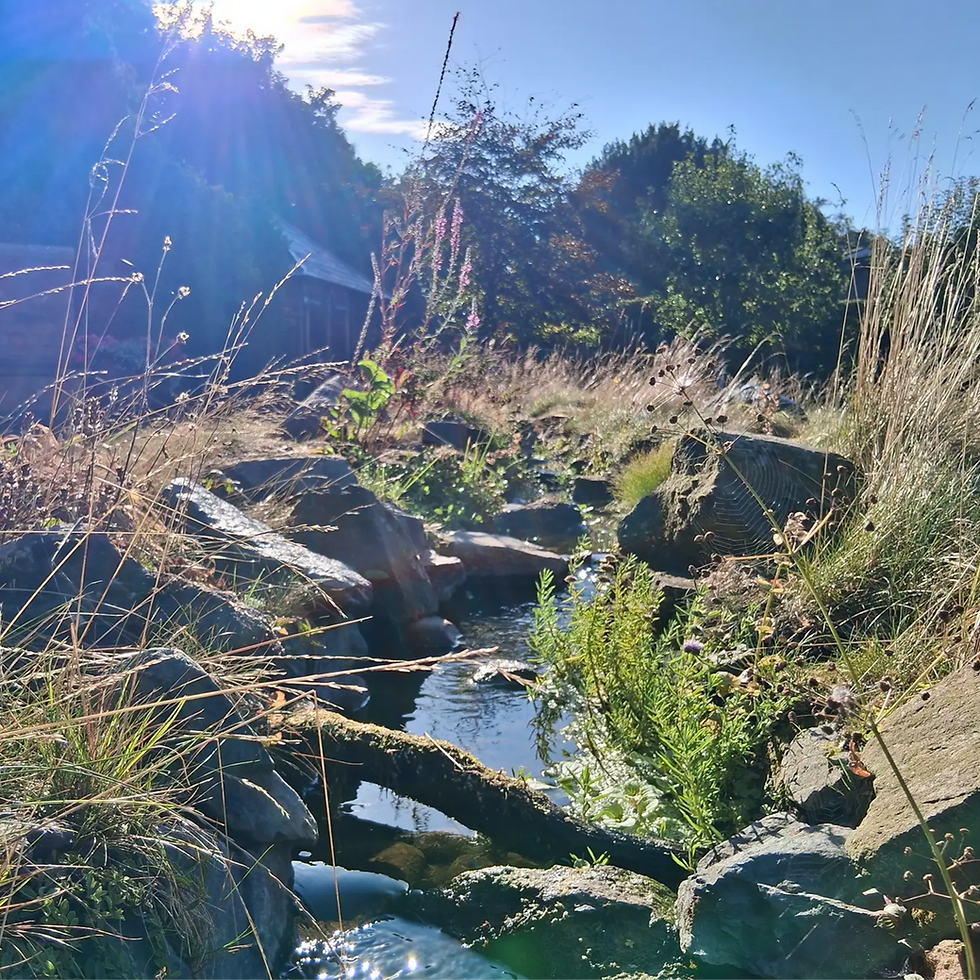
Integration: The pond is no longer a "project" but a part of the landscape. The surrounding soil and water have merged to create a seamless, thriving habitat.
Resilience: The ecosystem is now incredibly robust. It can handle weather extremes, from heatwaves to heavy frost, with minimal impact on water clarity or plant health.
Wildlife: Rare species often appear at this stage. Once the habitat is fully mature, it is common to see top-tier visitors, maybe even a Grass Snake!
year 1

A mature ecosystem
Appearance: The pond is now fully established. The planting is lush and native, and the structural materials have weathered in to look as though they have always been there.
Biology: The biological engine is at full strength. The water quality is maintained by the established plant-and-rock combination, requiring only light seasonal maintenance.
Wildlife: You now have a complete food chain. From the smallest invertebrates to larger visitors, the pond has become a reliable, permanent sanctuary for local biodiversity.

first winter
Dormancy and protection
The Resilience: Even if the surface freezes, the depth of the pond ensures it does not freeze solid. This protects the biology of the pond during extreme British weather.
Biology: Oxygen levels remain stable in the cold water. While the plants are dormant, the submerged stone continues to provide a healthy environment for submerged life.
Wildlife: Life continues beneath the ice. Dragonfly larvae, snails, and various invertebrates hibernate safely within the silt and rock gaps at the bottom.

first autumn
Seasonal transition
Maintenance: Nutrient management is the priority. We focus on managing falling leaves and organic matter to ensure the water chemistry remains balanced through the colder months.
Plant Life: Foliage begins to die back, and the pond takes on a more architectural look. The focus shifts from the greenery to the permanent stone structure.
Wildlife: Amphibians begin to seek out overwintering spots. They find safety in the damp, protected crevices within the surrounding stonework and log piles.

first summer
Reaching full stability
Appearance: The water is now crystal clear. Water lilies provide a floating canopy that shades the depths, keeping the water cool and reducing further algae growth.
Biology: The ecosystem is now largely self-regulating. The dense planting acts as a powerful biological filter, maintaining high water quality without chemical intervention.
Wildlife: The pond becomes a focal point for garden activity. Expect to see birds bathing on the shallow stone "beaches" and various dragonfly species patrolling the reeds.

first spring
Initial growth
Plant Life: Marginal plants like Marsh Marigolds provide the first burst of colour. This growth begins to soften the stone edges, integrating the pond into the rest of the garden.
Biology: As the water temperature rises, the beneficial bacteria on the rocks become more active, increasing the natural filtration capacity of the system.
Wildlife: This is the primary breeding season. Frogs, toads and newts will typically find the pond to spawn, utilizing the shallow stone shelves designed for their safety.

month 3
Balancing phase
Appearance: It is common for the water to turn green or algae to appear during this stage. This is a natural reaction to sunlight and nutrient imbalances while the aquatic plants are still establishing their root systems.
Biology: A biological shift is occurring. The nitrogen cycle is settling, and the native plants are beginning to compete with the algae for excess nutrients in the water.
Wildlife: You will likely see the first damselflies hunting over the surface. Beneath the water, the microscopic life necessary for a healthy food chain is now thriving.

month 1
Ecosystem foundation
Construction: You will see the newly-sited stone, decoration and planting in place. All liners are fully covered with natural materials to ensure the pond is built for long-term stability.
Biology: As the pond is filled, the water begins to settle and pH levels stabilise. We introduce initial beneficial bacteria to the rock surfaces to start the natural water cycle process.
Wildlife: Pioneer species arrive almost immediately. Water boatmen and pond skaters are usually present within the first 48 hours, they aren’t known for their patience.